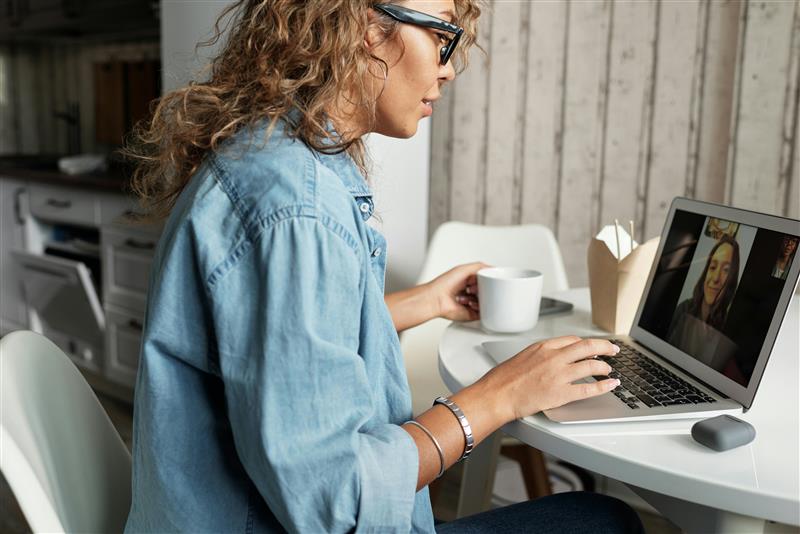
Starting therapy is a huge win, and we want to make sure you have access to the support you deserve. By offering in person and virtual therapy options, we meet you where you are at by removing possible barriers to service. But which is better: in-person therapy or virtual therapy?
Let’s go over the advantages and challenges of in-person vs virtual therapy so you can make an informed decision:
Advantages of In-Person Therapy
Personal Connection
In-person therapy can help you connect personally to your therapist. The way they decorate their office, the way they help you ease into your conversation, and even the ability to make shared observations about the room can help build trust. Many people find that it is easier to trust their therapist when they aren’t confined to a small laptop screen.
Body Language
It can be easier for your therapist to read your body language in person, and for you to read theirs. Your position in your chair, how you fidget, and even your breathing can be helpful cues for your therapist to guide your session. In-person therapy may allow your therapist to see more of these cues overall. Seeing your therapist’s body language can also help you feel more comfortable and at ease.
Dedicated Time & Space
Some people like to have dedicated time and space for different activities. If you are a person who gets more work done at the office than when you work from home, you probably understand this! Having a specific place dedicated to your mental wellbeing can help you transition into the mindset of “I’m here to focus on my mental health”.
Fewer Distractions
Your appointment is about you! The construction in the apartment next door, or your kids playing in the next room can be distracting when you are trying to focus on your mental health journey. Our offices are clean, quiet, and free of your day-to-day distractions, helping you focus on your session.
Challenges of In-Person Therapy
Travel
If you are busy or live far away from your therapist’s office, you might be less motivated to book your next appointment. That extra travel time can sometimes feel overwhelming, and for some people that feeling of overwhelm can be stronger than the desire to work on their mental health. Not to mention the expense of gas and parking! This is why we have dedicated parking for our clients and multiple locations to reduce your travel time.
Less Flexibility
Available appointments may depend on office hours, the front desk person’s availability, which rooms are available, and the therapist’s commute time. This can make it difficult to find appointment times if you have a regular 9-5 job.
You May Feel Self Conscious
We do our best to ensure you have a comfortable experience in our offices, but it’s understandable if you feel self-conscious about being seen by other clients. Mental health care still carries a lot of stigma, and it’s easy to assume that people are judging you for seeking help. There is no shame in seeking support for your mental wellbeing, but if you’re not ready to meet in person we have options that meet you where you’re at.
Interactions After Your Appointment
It’s not uncommon for emotions to run high in therapy. You may express emotions that leave you feeling tired and vulnerable, and the last thing you want to do is walk through a waiting room or attempt to drive yourself home. If you feel you need private recovery time after your session, we have private spaces available for you to process your appointment. If you prefer to do this at home, virtual appointments might work better for your needs!
Advantages of Virtual Therapy
Convenience
An hour-long therapy session is easier to squeeze in between obligations if you don’t have to factor in travel time. You could have a session during your baby’s nap time, your lunch break, or with a therapist in a more convenient time zone. You can also book virtual appointments if you are home sick or out of town, which can help you maintain some sense of routine.
Comfort
Virtual therapy can be done from the comfort of your home, and yes, you can wear your pajamas! Snuggle up with your favourite blanket on your couch, grab a cup of tea and tune in for your session. We even have clients who love to do their sessions while on the treadmill or on a nature hike!
Accessibility to Services
If you live in a small community or somewhere remote, you may have limited options when it comes to therapists. Virtual therapy gives you more choices when it comes to providers, modalities, and specialized services.
Challenges of Virtual Therapy
Technology hiccups
Laptops running on low battery, weak Wi-Fi signals and frozen screens can make virtual therapy a bit of a pain. We feel you! These issues can be distracting, especially if you find you must repeat yourself or can’t hear your therapist’s insights as a result. Taking a moment to ensure your phone or laptop is charged, and testing your internet connection can help minimize interruptions. We promise to do the same on our end, too!
Privacy
It can be hard to find a private, soundproof room with limited interruptions in your home or workplace. If you are worried about someone overhearing your session, it might be worth investing in some quality headphones or even using a noise machine or speaker near your door to minimize eavesdropping. If you are open about being in therapy, you could ask your partner or roommate to take a walk or run an errand while you have your session.
May feel less connected
Virtual interactions can sometimes feel less “real” than seeing someone in person. For some people this makes it difficult to connect, which can make it difficult to really open up during your sessions. If you are feeling disconnected, bring it up to your therapist. They have lots of experience with virtual appointments and have ways to work around feeling disconnected virtually.
Choose What’s Right for You
Now that you know the advantages and challenges of in-person vs virtual therapy, you can book an appointment that meets your needs. Many clients try both! Click here to book.
Still not sure? Talk to one of our Client Care Specialists- we’re here to answer your questions, help you book your next appointment, and match you with the best therapist for you. Contact us here.