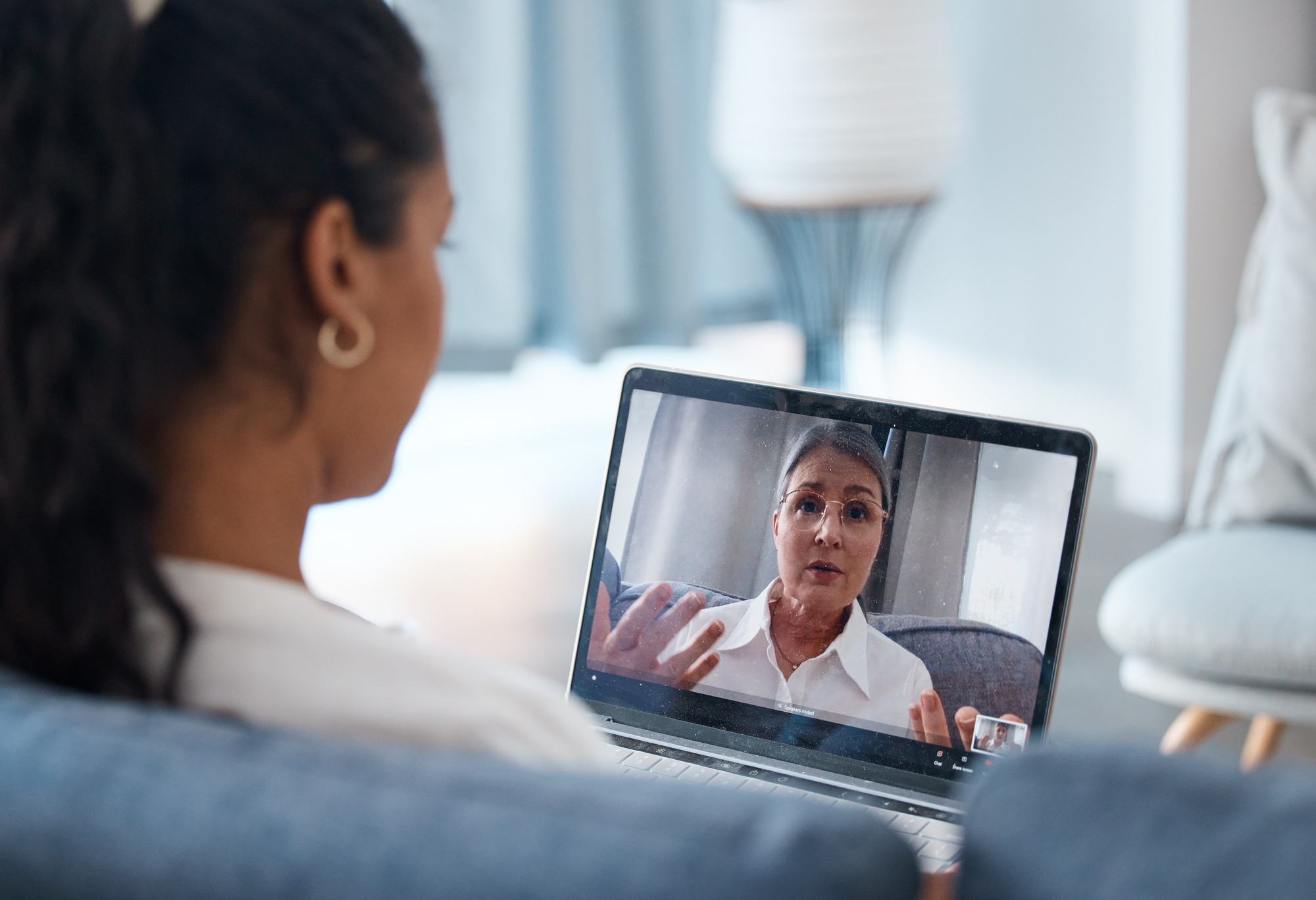
Starting therapy is a huge win, and we want to make sure you have access to the support you deserve. By offering in-person and virtual therapy options, we meet you where you are at by removing possible barriers to service. But which is better: in-person therapy or virtual therapy?
Let’s go over the advantages and challenges of in-person vs virtual therapy so you can make an informed decision:
Advantages of In-Person Therapy
Personal Connection
In-person therapy can help you connect personally to your therapist. The way they decorate their office, the way they help you ease into your conversation, and even the ability to make shared observations about the room can help build trust. Many people find that it is easier to trust their therapist when they aren’t confined to a small laptop screen.
Body Language
It can be easier for your therapist to read your body language in person, and for you to read theirs. Your position in your chair, how you fidget, and even your breathing can be helpful cues for your therapist to guide your session. In-person therapy may allow your therapist to see more of these cues overall. Seeing your therapist’s body language can also help you feel more comfortable and at ease.
Dedicated Time & Space
Some people like to have dedicated time and space for different activities. If you are a person who gets more work done at the office than when you work from home, you probably understand this. Having a specific place dedicated to your mental wellbeing can help you transition into the mindset of “I’m here to focus on my mental health.”
Fewer Distractions
Your appointment is about you. External distractions like noise at home or interruptions can make it harder to focus. A quiet, dedicated office space helps you stay present during your session.
Challenges of In-Person Therapy
Travel
If you are busy or live far away from your therapist’s office, it can be harder to stay consistent. Travel time, gas, and parking can add extra stress and become barriers to care.
Less Flexibility
Appointments may depend on office hours, room availability, and scheduling constraints, which can make it harder to find times that fit a busy schedule.
You May Feel Self-Conscious
Some people feel uncomfortable being seen entering or leaving a therapy office. While there is no shame in seeking support, virtual options can feel more private if this is a concern.
After-Session Transition
Therapy can bring up strong emotions. Having to leave immediately afterward or travel home may feel overwhelming. Some people prefer the ability to process these emotions at home.
Advantages of Virtual Therapy
Convenience
Virtual therapy removes travel time, making it easier to fit sessions into your day—whether during a lunch break, nap time, or while traveling.
Comfort
You can attend sessions from a familiar, comfortable environment. Whether that’s your couch, your favorite chair, or even outdoors, it can help you feel more relaxed.
Accessibility to Services
Virtual therapy expands your access to different therapists, specialties, and approaches—especially if you live in a smaller or remote community.
Challenges of Virtual Therapy
Technology Hiccups
Internet issues, low battery, or technical glitches can interrupt sessions. Preparing your device and connection ahead of time can help reduce disruptions.
Privacy
Finding a quiet, private space at home can be challenging. Headphones, white noise, or planning your environment ahead of time can help maintain confidentiality.
May Feel Less Connected
Some people find it harder to build connection through a screen. If this happens, discussing it with your therapist can help improve the experience.
Choose What’s Right for You
Now that you know the advantages and challenges of in-person vs virtual therapy, you can choose the option that fits your needs best. Many clients try both.
Still not sure? Talk to one of our Client Care Specialists—we’re here to answer your questions, help you book your next appointment, and match you with the best therapist for you. Contact us here.