
Your Local Care Hub
Explore Your Mind’s True Potential
Canada’s Neurofeedback Therapy Clinic.
Neurofeedback relies on 3 principles
HUMAN LEARNING PRINCIPLES
Neurofeedback leverages the brain’s natural ability to learn and adapt. By providing real-time feedback, it reinforces positive brainwave patterns, allowing the brain to improve its own functioning through practice and repetition.
SELF-REGULATION
Neurofeedback trains the brain to regulate itself more effectively. By recognizing and correcting imbalances, it enhances the brain’s capacity to manage emotions, focus, and general performance independently.
NEUROPLASTICITY
At the core of neurofeedback is neuroplasticity—the brain’s ability to reorganize and form new neural connections. Through consistent training, neurofeedback encourages lasting changes in brain structure and function, leading to improved mental and emotional well-being.
How Neurofeedback
Supports Mental Wellness
At NuVista, we specialize in Neurofeedback Therapy, an innovative approach designed to regulate mental wellness. Whether you’re struggling with anxiety, stress, or focus issues, our non-invasive, medication-free solutions can help you regain control of your mental health. If you’re also just looking to work on better regulating your mental wellness, neurofeedback would be beneficial.
Using advanced technology, neurofeedback provides real-time data about your brain activity, training it to self-regulate and function more efficiently. Our compassionate, highly-trained professionals work closely with each client to create personalized training plans. We understand that every individual is unique, which is why our approach is tailored to meet your specific mental health needs.

Need more personalized support?
You don’t have to navigate this alone. We’ll help you understand your options and move forward with confidence.
Neurofeedback Training for Better Mental Health
Every brain functions differently. Neurofeedback training is a gentle, non-invasive approach that helps improve regulation and mental performance, and is often used to support:
For ADHD
For Anxiety
For Autism
For Concussion/Traumatic Brain Injury
For Depression
For Learning Disabilities
For PTSD
For Sleep
For OCD
For Stress & Burnout
Who is it right for?
Neurofeedback can benefit people of all ages and lifestyles, whether you’re working to improve focus, manage stress, or support emotional and cognitive functioning.

Students


Athletes

STRESS MANAGEMENT

SLEEP ISSUES

Behavioural Concerns

Elderly
How NuVista’s Neurofeedback Approach Works
At NuVista, we make the neurofeedback experience supportive and individualized from the very beginning. Whether you’re new to brain training or have tried other methods in the past, our step-by-step process is designed to meet you where you are and help your brain function at its best.
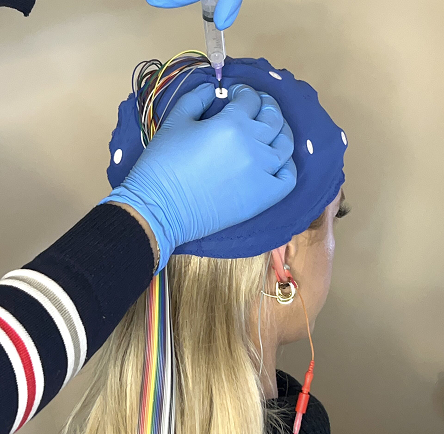
Initial Brain Mapping (QEEG)
We start with a quantitative EEG to evaluate brainwave patterns and pinpoint imbalances. For children, we assess readiness beforehand to ensure the process feels comfortable.

Personalized Training Plan
Based on qEEG results, we create a custom training plan that aligns with your goals or your child’s neurological needs.
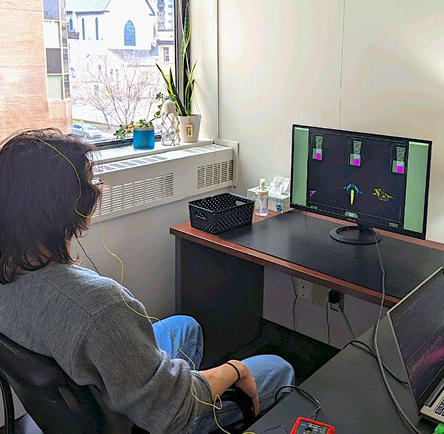
Non-Invasive Training Sessions
During each session, sensors are placed on your scalp to monitor brain activity while you watch visual or auditory feedback that guides your brain to more regulated patterns.
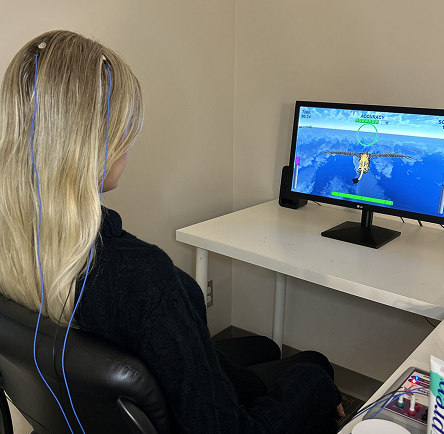
Ongoing Tracking And Adjustments
We monitor your progress and adjust your plan as needed. Our team offers ongoing support, answers questions, and helps you or your child grow at a comfortable pace.
Benefits of Neurofeedback
Neurofeedback, or EEG biofeedback, offers numerous benefits by improving mental health and performance. It works by providing real-time insights and training to help optimize brain function. Here are some of its key advantages:

Safe and Non-Invasive
Neurofeedback offers a safe, drug-free solution that gently trains your brain to function more effectively, without the need for invasive procedures or medications.
Personalized Training
Our neurofeedback therapy is fully customized to meet your unique needs, ensuring that every session is tailored to target your specific goals and optimize brain function.

Sustainable, Long-Lasting Results
With regular sessions, neurofeedback promotes lasting improvements in performance, emotional regulation, and overall mental well-being, offering benefits that continue long after treatment.
FAQ
Therapeutic approach & specialties
How long will results last?
What if I’m currently taking medication?
How long does it take to see changes?
Are there side effects?
Can other treatments be pursued while doing neurofeedback?
Can anyone try bio or neurofeedback?
What kind of training does the team undergo to provide these services?
Where can I find more research articles on bio and neurofeedback?
How is progress measured?
Key Research Studies and Findings
ADHD
- Alegria AA, Wulff M, Brinson H, Barker GJ, Norman LJ, Brandeis D, David AS, Taylor E, Giampietro V, Rubia K. Real-time fMRI neurofeedback in adolescents with attention deficit hyperactivity disorder. Hum Brain Mapp. 2017 Jun;38(6):3190-3209.
- Alhambra, M. A., Fowler, T. P., & Alhambra, A. A. (1995). EEG biofeedback: A new treatment option for ADD/ADHD. Journal of Neurotherapy, 1(2), 39–43.
- Arns, M., de Ridder, S., Strehl, U., Breteler, M., & Coenen, A. (2009). Efficacy of neurofeedback treatment in ADHD: The effects on attention, impulsivity and hyperactivity: A meta-analysis. Clinical EEG and Neuroscience, 40(3), 180–189.
- Arns, M., Feddema, I., & Kenemans, J. (2014). Differential effects of Theta/Beta and SMR neurofeedback in ADHD on sleep onset latency. Frontiers in Human Neuroscience 8:1019. doi:10.3389/fnhum.2014.01019
- Beauregard, M., & Levesque, J. (2006). Functional magnetic resonance imaging investigation of the effects of neurofeedback training on the neural bases of selective attention and response inhibition in children with attention-deficit/hyperactivity disorder. Applied Psychophysiology & Biofeedback, 31(1), 3–20.
- Tinius, T. P., & Tinius, K. A. (2001). Changes after EEG biofeedback and cognitive retraining in adults with mild traumatic brain injury and attention deficit disorder. Journal of Neurotherapy, 4(2), 27–44.
- Xiong, Z., Shi, S., & Xu, H. (2005). A controlled study of the effectiveness of EEG biofeedback training on children with attention deficit hyperactivity disorder. Journal of Huazhong University of Science & Technology, 25(3), 368–370.
- Zilverstand A, Sorger B, Slaats-Willemse D, Kan CC, Goebel R, Buitelaar JK.
fMRI Neurofeedback Training for Increasing Anterior Cingulate Cortex Activation in Adult Attention Deficit Hyperactivity Disorder. An Exploratory Randomized, Single-Blinded Study. PLoS One. 2017 Jan 26;12(1):e0170795. doi:10.1371/journal.pone.0170795. eCollection 2017.
Anxiety
- Banerjee, S., & Argáez, C. (2017, November 13). Neurofeedback and Biofeedback for mood and Anxiety Disorders: A Review of Clinical Effectiveness and Guidelines. NCBI Bookshelf.
- Hammond, D. C. (2005). Neurofeedback with anxiety and affective disorders.
Child & Adolescent Psychiatric Clinics of North America, 14(1), 105–123. - Huang-Storms, L., Bodenhamer-Davis, E., Davis, R., & Dunn, J. (2006).
QEEG-guided neurofeedback for children with histories of abuse and neglect: Neurodevelopmental rationale and pilot study. Journal of Neurotherapy, 10(4), 3–16. - Kerson, C., Sherman, R.A., Kozlowski, G.P. (2009). Alpha suppression and symmetry training for generalized anxiety symptoms. Journal of Neurotherapy, 13(3), 146–155.
- Mennella R, Patron E, Palomba D. Frontal alpha asymmetry neurofeedback for the reduction of negative affect and anxiety. Behav Res Ther. 2017 May;92:32-40. doi:10.1016/j.brat.2017.02.002. Epub 2017 Feb 20.
- White, E. K., Groeneveld, K. M., Tittle, R. K., Bolhuis, N. A., Martin, R. E., Royer, T. G., Fotuhi, M. (2017) Combined Neurofeedback and Hearth Rate Variability Training for Individuals with Symptoms of Anxiety and Depression: A Retrospective Study. NeuroRegulation 4(1) 37-55.
Autism
- Coben, R. (2007). Connectivity-guided neurofeedback for autistic spectrum disorder. Biofeedback, 35(4), 131–135.
- Coben, R., Shelin, L., Hudspeh, W. J., McKeon, K., & Ricca, R. (2014). Connectivity-Guided EEG Biofeedback for Autism Spectrum Disorder: Evidence of Neurophysiological Changes. Journal of NeuroRegulation, 1(2), 109–130.
- Coben, R., & Myers, T. E. (2010). The relative efficacy of connectivity guided and symptom based EEG biofeedback for autistic disorders. Applied Psychophysiology & Biofeedback, 35(1), 13–23.
- Coben, R., & Podolsky, I. (2007). Assessment-guided neurofeedback for autistic spectrum disorder. Journal of Neurotherapy, 11(1), 5–23.
- Coben, R., Mohammad-Rezazadeh, I., Cannon, R. (2014). Using quantitative and analytic EEG methods in the understanding of connectivity in autism spectrum disorders: a theory of mixed over- and under-connectivity. Frontiers in Human Neuroscience 8:45. doi:10.3389/fnhum.2014.00045.
- Friedrich, E., Srinivasan, A., Lim, T., Suttie, N., Louchart, S., Pillen, S., Pineda, J. (2015). An effective neurofeedback intervention to improve social interactions in children with autism spectrum disorder. Journal of Autism & Developmental Disorders, 45(12), 4084–4100. doi:10.1007/s10803-015-2523-5
- Goodman, M. S., Castro, N., Sloan, M., Sharma, R., Widdowson, M., Herrera, E., Pineda, J. A. (2018). A Neurovisceral Approach to Autism: Targeting Self-Regulation and Core Symptoms Using Neurofeedback and Biofeedback. NeuroRegulation 5(1), 9–29.
- Jarusiewicz, B. (2002). Efficacy of neurofeedback for children in the autistic spectrum: A pilot study. Journal of Neurotherapy, 6(4), 39–49.
- Kouijzer, M. E. U. J., de Moor, J. M. H., Gerrits, B. J. L., Buitelaar, J. K., & van Schie, H. T. (2009). Long-term effects of neurofeedback treatment in autism.
Research in Autism Spectrum Disorders, 3(2), 496–501. - Pineda, J. A., Brang, D., Hecht, E., Edwards, L., Carey, S., Bacon, M., Futagaki, C., Suk, D., Tom, J., Birnbaum, C., Rork, A. (2008). Positive behavioral and electrophysiological changes following neurofeedback training in children with autism. Research in Autism Spectrum Disorders, 2, 557–581.
- Siehl, A. G., Fehmi, L. G., & Goldstein, D. M. (1995). Positive outcome with neurofeedback treatment of a case of mild autism. Journal of Neurotherapy, 1(1), 6064.
- Sokhadze, E., El-Baz, A., Tasman, A., Sears, L., Wang, Y., Lamina, E., Casanova, M. (2014). Neuromodulation integrating rTMS and neurofeedback for the treatment of autism spectrum disorder: an exploratory study. Applied Psychophysiology & Biofeedback, 39(3-4), 237–257. doi:10.1007/s10484-014-9264-7
- Steiner, N., Frenette, E., Hynes, C., Pisarik, E., Tomasetti, K., Perrin, E., Rene, K. (2014). A pilot feasibility study of neurofeedback for children with autism.
Applied Psychophysiology & Biofeedback, 39(2), 99–107. doi:10.1007/s10484-014-9241-1 - Wang, Y., Sokhadze, E. M., El-Baz, A. S., Li, X., Sears, L., Casanova, M. F., Tasman, A. (2015). Relative power of specific EEG bands and their ratios during neurofeedback training in children with Autism Spectrum Disorder.
Frontiers in Human Neuroscience, 9, 723.
Concussion/TBI
- Bearden, T. S., Cassisi, J. E., & Pineda, M. (2003). Neurofeedback training for a patient with thalamic and cortical infarctions. Applied Psychophysiology & Biofeedback, 28(3), 241–253.
- Bounias, M., Laibow, R. E., Stubblebine, A. N., Sandground, H., & Bonaly, A. (2002). EEG neurobiofeedback treatment of patients with brain injury Part 4: Duration of treatments as a function of both the initial load of clinical symptoms and the rate of rehabilitation. Journal of Neurotherapy, 6(1), 23–38.
- Byers, A. (1995). Neurofeedback therapy for a mild head injury. Journal of Neurotherapy, 1(1), 22–37.
- Cannon, K. B., Sherlin, L., & Lyle, R. R. (2010). Neurofeedback efficacy in the treatment of a 43-year-old female stroke victim: a case study. Journal of Neurotherapy, 14(2), 107–121.
- Duff, J. (2004). The usefulness of quantitative EEG (QEEG) and neurotherapy in the assessment and treatment of post-concussion syndrome. Clinical EEG & Neuroscience, 35(4), 198–209.
- Hammond, D. C. (2007). Can LENS neurofeedback treat anosmia resulting from a head injury? Journal of Neurotherapy, 11(1), 57–62.
- Keller, I. (2001). Neurofeedback therapy of attention deficits in patients with traumatic brain injury. Journal of Neurotherapy, 5(1-2), 19–32.
- Nelson, D., & Esty, M. (2012). Neurotherapy of traumatic brain injury/postconcussion symptoms in OEF/OIF veterans. The Journal of Neuropsychiatry and Clinical Neurosciences, 24(2), 237–240.
- Rozelle, G. R., & Budzynski, T. H. (1995). Neurotherapy for stroke rehabilitation: A single case study. Biofeedback & Self-Regulation, 20(3), 211–228.
- Schoenberger, N. E., Shiflett, S. C., Esty, M. L., Ochs, L., & Matheis, R. J. (2001). Flexyx neurotherapy system in the treatment of traumatic brain injury: An initial evaluation. Journal of Head Trauma Rehabilitation, 16(3), 260–274.
- Thornton, K. (2002). The improvement/rehabilitation of auditory memory functioning with EEG biofeedback. Neurorehabilitation, 17(1), 69–81.
- Tinius, T. P., & Tinius, K. A. (2001). Changes after EEG biofeedback and cognitive retraining in adults with mild traumatic brain injury and attention deficit disorder. Journal of Neurotherapy, 4(2), 27–44.
- Wing, K. (2001). Effect of neurofeedback on motor recovery of a patient with brain injury: A case study and its implications for stroke rehabilitation. Topics in Stroke Rehabilitation, 8(3), 45–53.
Depression
- Baehr, E., & Baehr, R. (1997). The use of brainwave biofeedback as an adjunctive therapeutic treatment for depression: Three case studies. Biofeedback, 25(1), 10–11.
- Baehr, E., Miller, E., Rosenfeld, J. P., & Baehr, R. (2004). Changes in frontal brain asymmetry associated with premenstrual dysphoric disorder: A single case study. Journal of Neurotherapy, 8(1), 29–42.
- Baehr, E., Rosenfeld, J. P., & Baehr, R. (1997). The clinical use of an alpha asymmetry protocol in the neurofeedback treatment of depression: Two case studies. Journal of Neurotherapy, 2(3), 10–23.
- Baehr, E., Rosenfeld, J. P., & Baehr, R. (2001). Clinical use of an alpha asymmetry neurofeedback protocol in the treatment of mood disorders: Follow-up study one to five years post therapy. Journal of Neurotherapy, 4(4), 11–18.
- Berg, K., Siever, D. (2009). A controlled comparison of audio-visual entrainment treatment for treating Seasonal Affective Disorder. Journal of Neurotherapy, 13(3), 166–175.
- Bodurka, J. Randomized Clinical Trial of Real-Time fMRI Amygdala Neurofeedback for Major Depressive Disorder: Effects on Symptoms and Autobiographical Memory Recall. Am J Psychiatry. 2017 Aug 1;174(8):748–755. doi: 10.1176/appi.ajp.2017.16060637. Epub 2017 Apr 14.
- Cantor, D.S., Stevens, E. (2009). QEEG correlates of audio-visual entrainment treatment efficacy of refractory depression. Journal of Neurotherapy, 13(2), 100–108.
- Cheon, E.J., Koo, B.H., Choi, J.H. (2016). The efficacy of neurofeedback in patients with major depressive disorder: an open labeled prospective study. Applied Psychophysiology & Biofeedback, 41(1), 103–110. doi: 10.1007/s10484-015-9315-8
- Kumano, H., Horie, H., Shidara, T., Kuboki, T. et al. (1996). Treatment of a depressive disorder patient with EEG-driven photic stimulation. Biofeedback & Self-Regulation, 21(4), 323–334.
- Putman, J. A., (2002). EEG biofeedback on a female stroke patient with depression: A case study. Journal of Neurotherapy, 5(3), 27–38.
- Raymond, J., Varney, C., Parkinson, L. A., & Gruzelier, J. H. (2005). The effects of alpha/theta neurofeedback on personality and mood. Cognitive Brain Research, 23, 287–292.
- Rosenfeld, J. P. (2000). An EEG biofeedback protocol for affective disorders. Clinical Electroencephalography, 31(1), 7–12.
- Saxby, E., & Peniston, E. G. (1995). Alpha-theta brainwave neurofeedback training: an effective treatment for male and female alcoholics with depressive symptoms. Journal of Clinical Psychology, 51, 685–693.
- Wang, S.-Y., Lin, I.-M., Peper, E., Chen, Y.-T., Yeh, Y.-C., … Chu, C.-C. (2016). The efficacy of neurofeedback among patients with major depressive disorder: Preliminary study. NeuroRegulation, 3(3), 127–134.
Learning Disabilities
- Breteler, M. H. M., Arns, M., Peters, S., Giepmans, I., & Verhoeven, L. (2010). Improvements in spelling after QEEG-based neurofeedback in dyslexia: A randomized controlled treatment study. Applied Psychophysiology & Biofeedback, 35(1), 5–11.
- Cunningham, M., & Murphy, P. (1981). The effects of bilateral EEG biofeedback on verbal, visuospatial and creative skills in LD male adolescents. Journal of Learning Disabilities, 14(4), 204–208.
- Hong, C., Lee, I. (2012). Effects of neurofeedback training on attention in children with intellectual disability. Journal of Neurotherapy.
- Linden, M., Habib, T., & Radojevic, V. (1996). A controlled study of the effects of EEG biofeedback on cognition and behavior of children with attention deficit disorder and learning disabilities. Biofeedback & Self-Regulation, 21(1), 35–49.
- Tansey, M. A. (1991). Wechsler (WISC-R) changes following treatment of learning disabilities via EEG biofeedback in a private practice setting. Australian Journal of Psychology, 43, 147–153.
- Thornton, K. E., & Carmody, D. P. (2005). Electroencephalogram biofeedback for reading disability and traumatic brain injury. Child & Adolescent Psychiatric Clinics of North America, 14(1), 137–162.
- Walker, J. E., & Norman, C. A. (2006). The neurophysiology of dyslexia: A selective review with implications for neurofeedback remediation and results of treatment in twelve consecutive patients. Journal of Neurotherapy, 10(1), 45–55.
PTSD
- (2016). A pilot study of neurofeedback for chronic PTSD. Applied Psychophysiology and Biofeedback. doi: http://dx.doi.org/10.1007/s10484-015-9326-5
- Bracciano, A.G., Chang, W-P., Kokesh, S. (2012). Cranial electrotherapy stimulation in the treatment of posttraumatic stress disorder: A pilot study of two military veterans. Journal of Neurotherapy.
- Fragedakis, T.M., Toriello, P. (2014). The Development and experience of combat-related PTSD: a demand for neurofeedback as an effective form of treatment. Journal of Counseling & Development, 92(4), 481–488. doi: 10.1002/j.1556-6676.2014.00174.x
- Gapen, M., van der Kolk, B. A., Hamlin, E., Hirshberg, L., Suvak, M., Spinazzola J., Kluetsch, R. C., Ros, T., Theberge, J., Frewen, P. A., Calhoun, V. D., Schmahl C., …Lanius, R. A. (2014). Plastic modulation of PTSD resting-state networks and subjective wellbeing by EEG neurofeedback. Acta Psychiatrica Scandinavica, 130(2), 123–136. doi: 10.1111/acps.12229
- Peniston, E. G., & Kulkosky, P. J. (1991). Alpha-theta brainwave neurofeedback therapy for Vietnam veterans with combat-related post-traumatic stress disorder. Medical Psychotherapy, 4, 47–60.
- Putman, J. (2000). The effects of brief, eyes-open alpha brain wave training with audio and video relaxation induction on the EEG of 77 Army reservists. Journal of Neurotherapy, 4(1), 17–28.
Reiter, K., Andersen, S. B., Carlsson, J. (2016). Neurofeedback treatment and posttraumatic stress disorder: effectiveness of neurofeedback on posttraumatic stress disorder and the optimal choice of protocol. The Journal of Nervous and Mental Disease, 204(2), 69-77. doi: http://dx.doi.org/10.1097/NMD.0000000000000418
Sleep
- Bell, J. S. (1979). The use of EEG theta biofeedback in the treatment of a patient with sleep-onset insomnia. Biofeedback & Self Regulation, 4(3), 229–236.
- Buckelew, S., Degood, D., Taylor, J. (2013). Neuroflexibility and sleep onset insomnia among college students: Implication for neurotherapy. Journal of Neurotherapy.
- Hammond, D. C. (2012). Neurofeedback treatment of restless legs syndrome and periodic leg movements in sleep. Journal of Neurotherapy.
- Hoedlmoser, K., Pecherstorfer, T., Gruber, E., Anderer, P., Doppelmayr, M., Klimesch, W., & Schabus, M. (2008). Instrumental conditioning of human sensorimotor rhythm (12–15 Hz) and its impact on sleep as well as declarative learning. Sleep, 31(10), 1401–1408.
- Sterman, M. B., Howe, R. D., & Macdonald, L. R. (1970). Facilitation of spindle-burst sleep by conditioning of electroencephalographic activity while awake. Science, 167, 1146–1148.
OCD
- Hammond, D. C. (2003). QEEG-guided neurofeedback in the treatment of obsessive compulsive disorder. Journal of Neurotherapy, 7(2), 25–52.
- Mills, G. K., & Solyom, L. (1974). Biofeedback of EEG alpha in the treatment of obsessive ruminations: An exploration. Journal of Behaviour Therapy & Experimental Psychiatry, 5, 37–41.
- Sürmeli, T., Ertem A. (2011). Obsessive compulsive disorder and the efficacy of qEEG-guided neurofeedback treatment: a case series. Clinical EEG Neuroscience Journal, 42(3), 195–201.
Stress & Burnout
- Donaldson, C. C. S., Sella, G. E., & Mueller, H. H. (1998). Fibromyalgia: A retrospective study of 252 consecutive referrals. Canadian Journal of Clinical Medicine, 5(6), 116127.
- James, L. C., & Folen, R. A. (1996). EEG biofeedback as a treatment for chronic fatigue syndrome: A controlled case report. Behavioural Medicine, 22(2), 77–81.
- Kayiran, S., Dursun, E., Ermutlu, N., Dursun, N., & Karamursel, S. (2007). Neurofeedback in fibromyalgia syndrome. The Journal of the Turkish Society of Algology, 19(3), 47–53.
- Mueller, H. H., Donaldson, C. C. S., Nelson, D. V., & Layman, M. (2001). Treatment of fibromyalgia incorporating EEG-driven stimulation: A clinical outcomes study. Journal of Clinical Psychology, 57(7), 933–952.
- Tansey, M. A. (1993). Neurofeedback and chronic fatigue syndrome: New findings with respect to diagnosis and treatment. CFIDS Chronicle, 9, 30–32.