Discover simple ways to build a sustainable back-to-school routine. Learn why progress over perfection matters and how families can thrive.
Why Routines Matter
Back-to-school transitions can be challenging for families. Establishing a consistent routine helps children feel secure, reduces stress, and supports academic success. But it’s important to remember that routines don’t need to be perfect from day one.
Instead of a total lifestyle overhaul, think of routines as something you build brick by brick. Small, consistent steps are easier to maintain and create a foundation for long-term success.
Quick Tips for a Sustainable Back-to-School Transition
- Reset Sleep Schedules Gradually
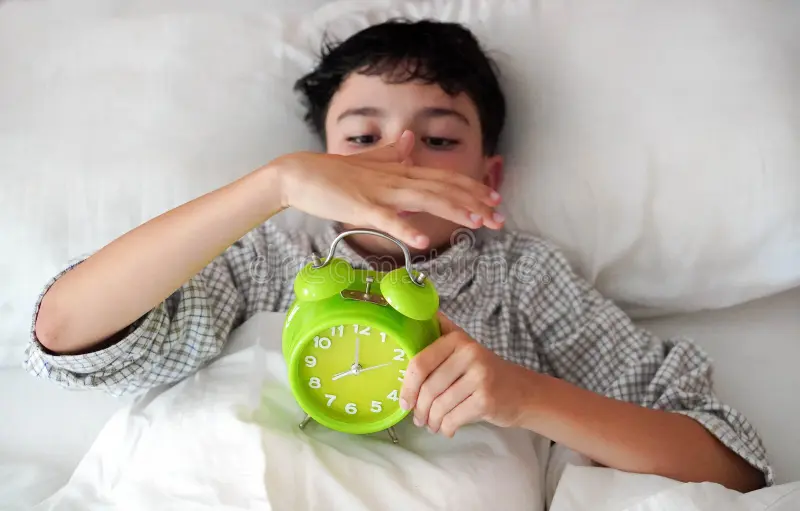
Rather than jumping straight into school-night bedtimes, shift bedtime and wake-up times by 15–20 minutes each night until you reach the target. This makes the change smoother and more sustainable.
- Simplify Morning Routines
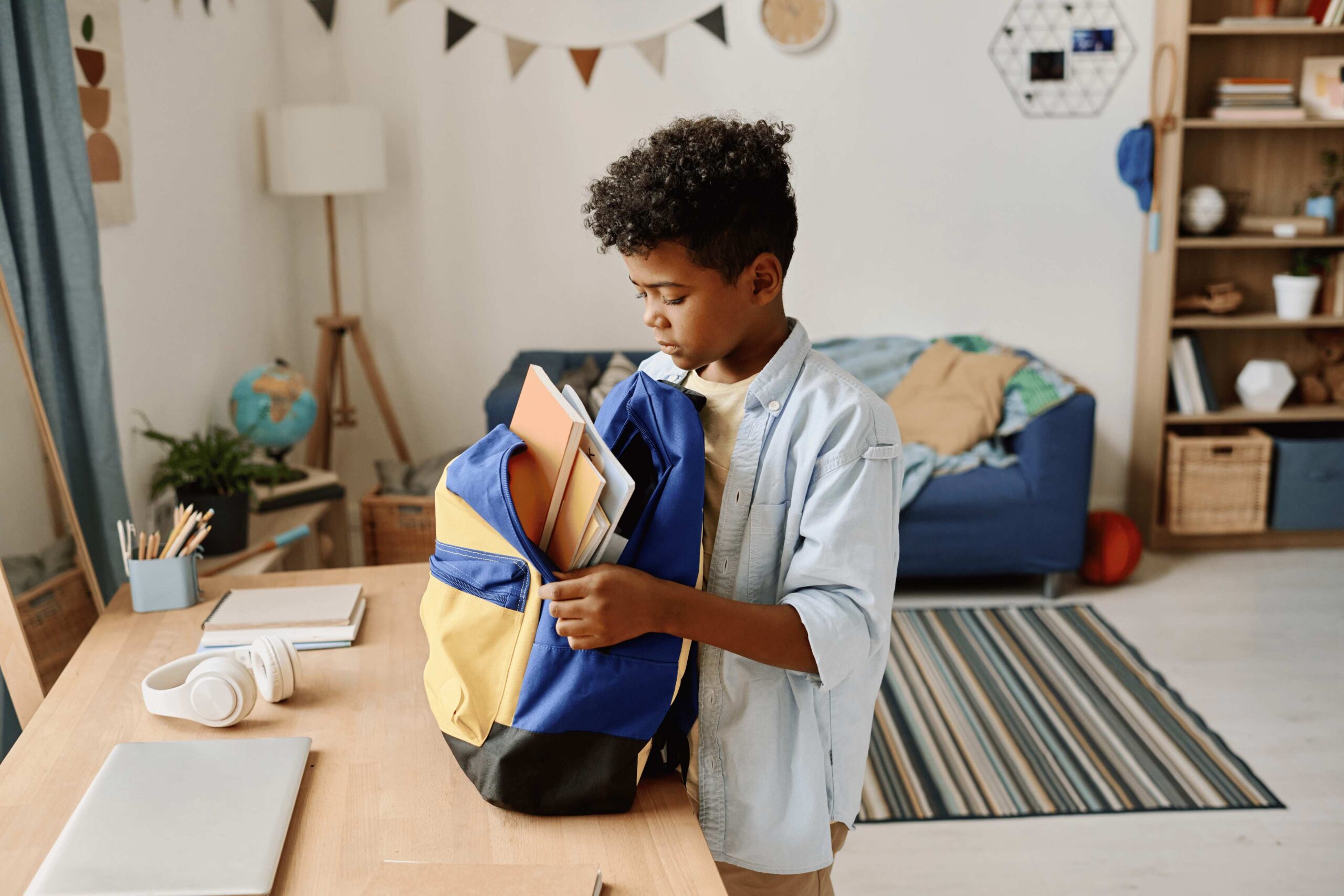
Don’t aim for the “perfect” morning. Start by preparing one or two things the night before—like school bags or lunches—and build from there.
- Create a Homework-Friendly Environment
A quiet, well-stocked space helps reduce resistance. If daily homework feels overwhelming, begin with short sessions and slowly increase focus time as your child adjusts.
- Stick to Consistent Mealtimes
Shared family meals provide structure and connection. Even starting with one or two consistent meals a day can make a difference.
- Prioritize Family Conversations
Check in regularly about goals, worries, and successes. Encourage kids to share their thoughts—open dialogue builds resilience and emotional wellbeing.
- Celebrate Progress, Not Perfection
If your family manages a calmer morning or a smoother homework session, acknowledge it. Positive reinforcement helps new habits stick.
When Your Child Might Need Extra Support
Even with consistent effort, some children continue to struggle with learning, behaviour, or stress. Here are a few signals that extra support could be helpful:
- Ongoing struggles with homework despite effort
- Frequent frustration or emotional outbursts
- Continued difficulties in reading, writing, or math
- Anxiety or school avoidance
In these situations, professional support can help uncover what’s going on and guide the right next steps.
How Nuvista Mental Health Can Help
At Nuvista Mental Health, we provide psychoeducational assessments that give families a clearer understanding of a child’s learning strengths and challenges. These assessments guide realistic, personalized strategies for school success.
We also offer gifted testing, ADHD assessments (including QEEG brain mapping at select locations), and broader psychological evaluations to support children’s academic and emotional wellbeing.
Note: QEEG brain mapping and neurofeedback are available only at select Nuvista locations. Please contact us to confirm availability.
Let’s Build a Routine Together
Building a back-to-school routine doesn’t mean striving for perfection. It’s about progress over time so changes feel natural and sustainable.
✨ If your child needs extra support with learning or confidence, we’re here to help.
Book a psychoeducational assessment with Nuvista Mental Health today at one of our locations across Canada and give your child the best start to the school year.
Contact Us | Nuvista Mental Health