Procrastination, perfectionism, anxiety, and the fear of getting started
By Aviva Boxer, Registered Psychotherapist
The irony is not lost on me that as I sat down to write a blog about procrastination — with a deadline looming — I suddenly found countless other things that needed my attention first.
I cleaned the kitchen, took out the garbage, made a snack, dusted the kitchen baseboards (which really should have been my biggest clue), and walked the dog, all while convincing myself I had to do these things before I could begin writing.
Yes, these were productive tasks. And yes, they needed to get done — eventually. But I also know from both personal experience and psychological research that getting started is often the hardest part.
Procrastination is something I have struggled with for as long as I can remember, and it comes up constantly in therapy sessions with my clients. It is an incredibly human experience and acknowledging that can help foster self-compassion and self-forgiveness.
But procrastination can also feel deeply frustrating. It keeps us stuck, fuels self-criticism, and can stop us from moving forward in the areas of life that matter most to us.
So why would I procrastinate writing a blog post about a topic I know well, care deeply about, and have lived experience with — especially when writing was my first career for more than 20 years?
The answer, for me, is fear.
And I know I am not alone.
Procrastination is a major mental health and wellness topic. A simple search in PubMed yields thousands of research papers related to procrastination, anxiety, perfectionism, executive functioning, and emotional avoidance.
While there are many productivity tools designed to help us “push through,” as a therapist, I am often more interested in understanding the root cause of the behaviour. Why does procrastination happen in the first place? What emotions are underneath it?
To answer that, we have to slow down long enough to notice what is happening emotionally and physically in the body.
For me, procrastination shows up as an uncomfortable sensation in my solar plexus. When I tune into that physical feeling, I know something deeper is going on.
Often, our bodies notice emotions before our minds fully register them. Physical sensations can be our first clue that anxiety, fear, or overwhelm is present.
When I notice that tight, uneasy feeling in my body, I can usually identify the real reason I am procrastinating: I am afraid.
Afraid of writing something that is not good enough and that no one will read. And strangely enough, I can even become afraid of doing well — because then the pressure to succeed again feels even greater next time.
This is the pressure I put on myself, and it runs deep.
Does any of this sound familiar?
For many people, procrastination is not about laziness or lack of motivation. It is connected to perfectionism, anxiety, fear of failure, burnout, ADHD, emotional overwhelm, or difficulty regulating the nervous system.
In the short term, avoiding a task can temporarily protect us from uncomfortable feelings. But the longer we delay, the heavier the task often becomes, making it even harder to begin.
How to stop procrastinating: Start by checking in with yourself
Before forcing yourself to “just do it,” pause for a moment and check in with yourself.
Ask:
- What am I feeling in my body right now?
- What emotion might be underneath my urge to avoid this task?
- Am I overwhelmed, anxious, exhausted, or afraid of failing?
You can even use a feelings wheel to help identify what emotion is present beneath the procrastination.
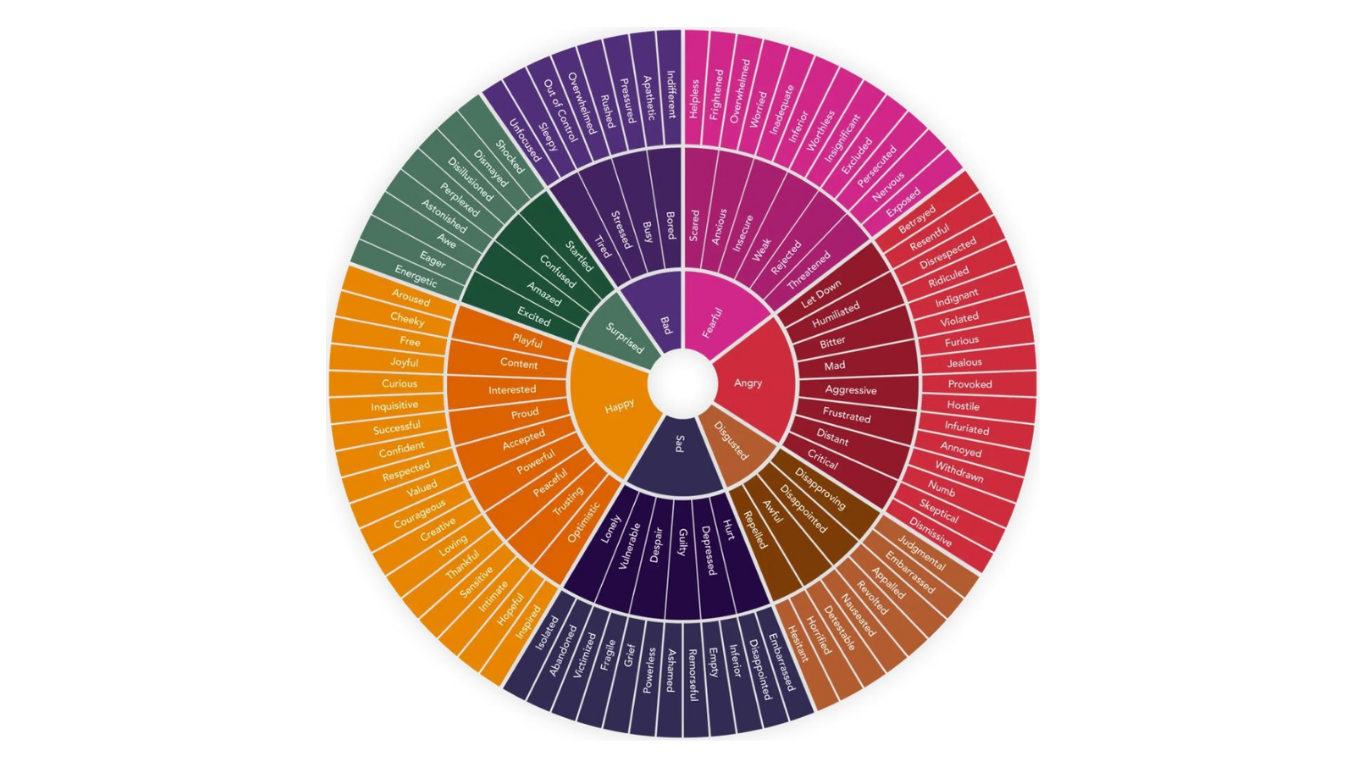
Once you identify the emotion underneath the procrastination, try helping your nervous system regulate before jumping into the task. Mindfulness, grounding exercises, deep breathing, or short meditations can help reduce the sense of internal threat or overwhelm.
One-minute meditation to help ease procrastination
After trying the meditation, pause and notice:
- What feels different?
- Has the pressure shifted at all?
- Does the task feel even slightly more manageable?
Next, try setting a timer for just 10 minutes. Not forever. Not until the entire task is complete. Just 10 minutes. Often, starting is the hardest part. Once momentum begins, continuing can feel much easier.
One of my favourite quotes about procrastination and perfectionism comes from Voltaire: “Perfect is the enemy of good.” This quote offers such a powerful reframe. Instead of aiming for perfection, try aiming for “good enough.” Once fear loosens its grip, creativity, focus, and motivation often follow naturally.
Are you procrastinating… or overwhelmed?
A gentle self-check quiz
Procrastination is often misunderstood as laziness, lack of discipline, or poor time management. But for many people, procrastination is actually connected to stress, perfectionism, burnout, fear of failure, ADHD, anxiety, or emotional overwhelm. Take this quick self-check to better understand your patterns.
Instructions
Rate each statement from:
- 0 = Never
- 1 = Rarely
- 2 = Sometimes
- 3 = Often
- 4 = Almost Always
The Procrastination Self-Check
- I delay starting tasks even when I know they are important.
- I wait until the last minute to complete things, even when it causes stress.
- I feel mentally overwhelmed before I even begin a task.
- I avoid tasks because I’m afraid I won’t do them well enough.
- I spend a lot of time thinking about what I need to do instead of actually starting.
- I distract myself with easier or more enjoyable activities instead of the task at hand.
- I feel guilty or ashamed about procrastinating.
- I have trouble breaking large tasks into manageable steps.
- I feel exhausted or emotionally drained when trying to focus.
- I tell myself I “work better under pressure,” but the stress negatively affects me.
- I avoid tasks that feel emotionally uncomfortable, uncertain, or boring.
- I often confuse rest with avoidance — or avoidance with rest.
Your Results
0–12: Mild or Situational Procrastination
You may procrastinate occasionally, especially during stressful periods, but it likely isn’t significantly interfering with your functioning.
13–24: Moderate Procrastination Patterns
Procrastination may be creating stress, anxiety, or self-criticism in your daily life. Emotional overwhelm, perfectionism, or burnout may be contributing factors.
25–36: Significant Procrastination & Emotional Avoidance
Your procrastination patterns may be strongly connected to emotional distress, chronic stress, executive functioning challenges, or fear-based avoidance. Support, structure, and self-compassion could make a meaningful difference.
37–48: Chronic Overwhelm & Nervous System Shutdown
You may not be “lazy” at all — your nervous system may be overloaded. When procrastination becomes chronic, it can reflect exhaustion, anxiety, burnout, depression, ADHD, trauma responses, or deep perfectionism. You deserve support, not shame.
Important reminder
Procrastination is not always about motivation. Sometimes it is about protection.
Your brain and nervous system may be trying to avoid stress, failure, criticism, overwhelm, uncertainty, or exhaustion.
Understanding why you procrastinate is often far more helpful than simply trying to force yourself to “push through.”
If you struggle with procrastination, perfectionism, anxiety, fear of failure, or overwhelm, you are not alone! Reach out to us for a free consultation and you will be matched with a therapist who will support you and help you to understand the roots of your procrastination and help you find ways to cope with it and relieve it.